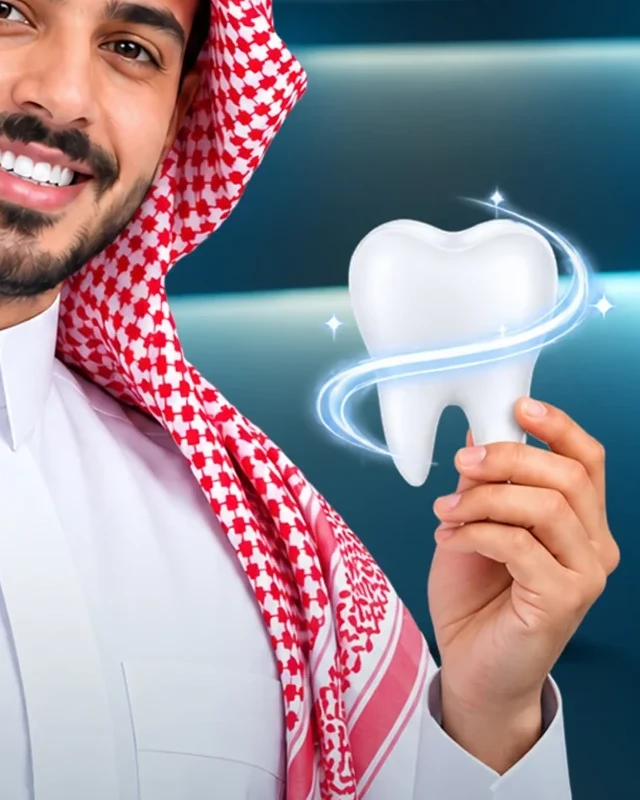



Whitening or cleaning?
Cleaning removes tartar and surface stains, while whitening changes the shade of the tooth itself. Your dentist usually makes sure teeth and gums are healthy and clean first, for a more even result.
Are you a good candidate?
The dentist checks for decay, sensitivity and gum recession and reviews existing fillings and crowns, which do not lighten like natural teeth. Response also varies with the cause of discolouration, whether dietary or internal.
Consultation and treatment
We record your current shade and agree a realistic target, explain the proposed approach in clinic or supervised at home, and discuss possible effects such as temporary sensitivity.
Keeping your result
Limit dark drinks and smoking, rinse with water afterwards and keep up brushing and regular cleanings. Teeth can pick up new stains over time, so the result needs ongoing care.
Teeth whitening: frequently asked questions
Is teeth whitening permanent?
No. How long it lasts varies with diet, habits and daily care.
Does whitening cause sensitivity?
Some people experience temporary sensitivity. Your dentist explains how to reduce it before and after treatment.
Can I whiten with fillings or crowns?
This can be assessed, but restorations do not change colour and some may need replacing later to match the new shade.
This content is for general education. The right treatment depends on a direct clinical assessment; your clinician determines whether it suits you.